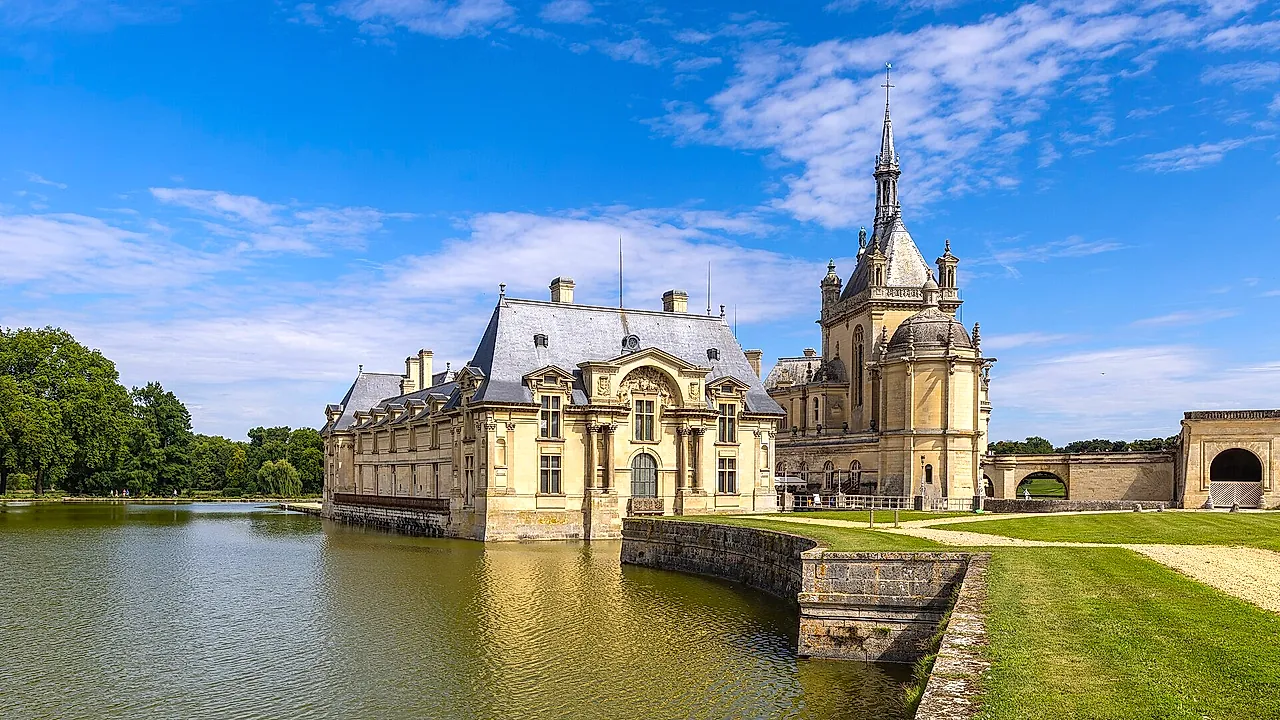
Chantilly · 25 minutes by train from Paris · Castle, stables and gardens
Château de Chantilly: tickets, hours and day trip from Paris
A castle on the water, a museum of paintings, monumental stables and a garden by Le Nôtre, all in one easy day out. Book your ticket and plan the day.
In short
- The castle and park are open from 10am to 6pm. The castle is closed on Tuesdays, and the whole domain closes every year for a few weeks in January.
- The castle works with time slots: arrive for the one shown on your ticket. The ticket with the gardens covers the castle, the park and the Great Stables.
- Plan at least half a day, and a full day if you want the castle, the park and the stables. You can leave and come back the same day.
- A train from Paris Gare du Nord takes about 25 minutes to Chantilly-Gouvieux.
The castle and the Musée Condé
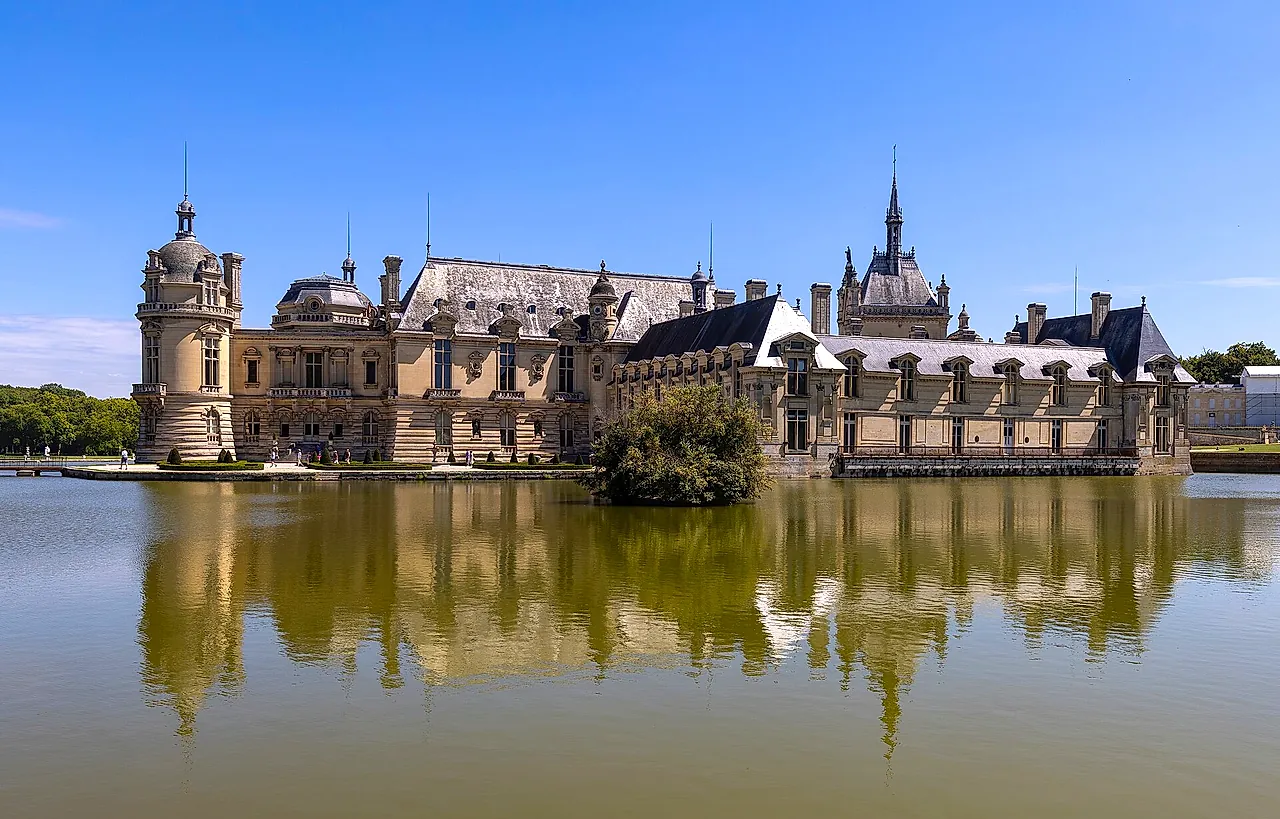
The castle seems to float on its water, and inside it is a museum of paintings, the Musée Condé. The collection of French painting and miniatures of the 15th and 16th centuries is joined by three Raphaels, among them the Madonna of Loreto and the Three Graces, and works by Botticelli, Watteau and Corot. The library has more than 1,500 manuscripts, including the Très Riches Heures du Duc de Berry.
The first castle was built between 1528 and 1531 by Pierre Chambiges for Anne de Montmorency. In 1632 the estate passed to the Great Condé, and the Revolution destroyed the original building. The Duke of Aumale rebuilt it between 1875 and 1882 and in 1889 left it to the Institut de France, which still owns it.
The Great Stables and the horses
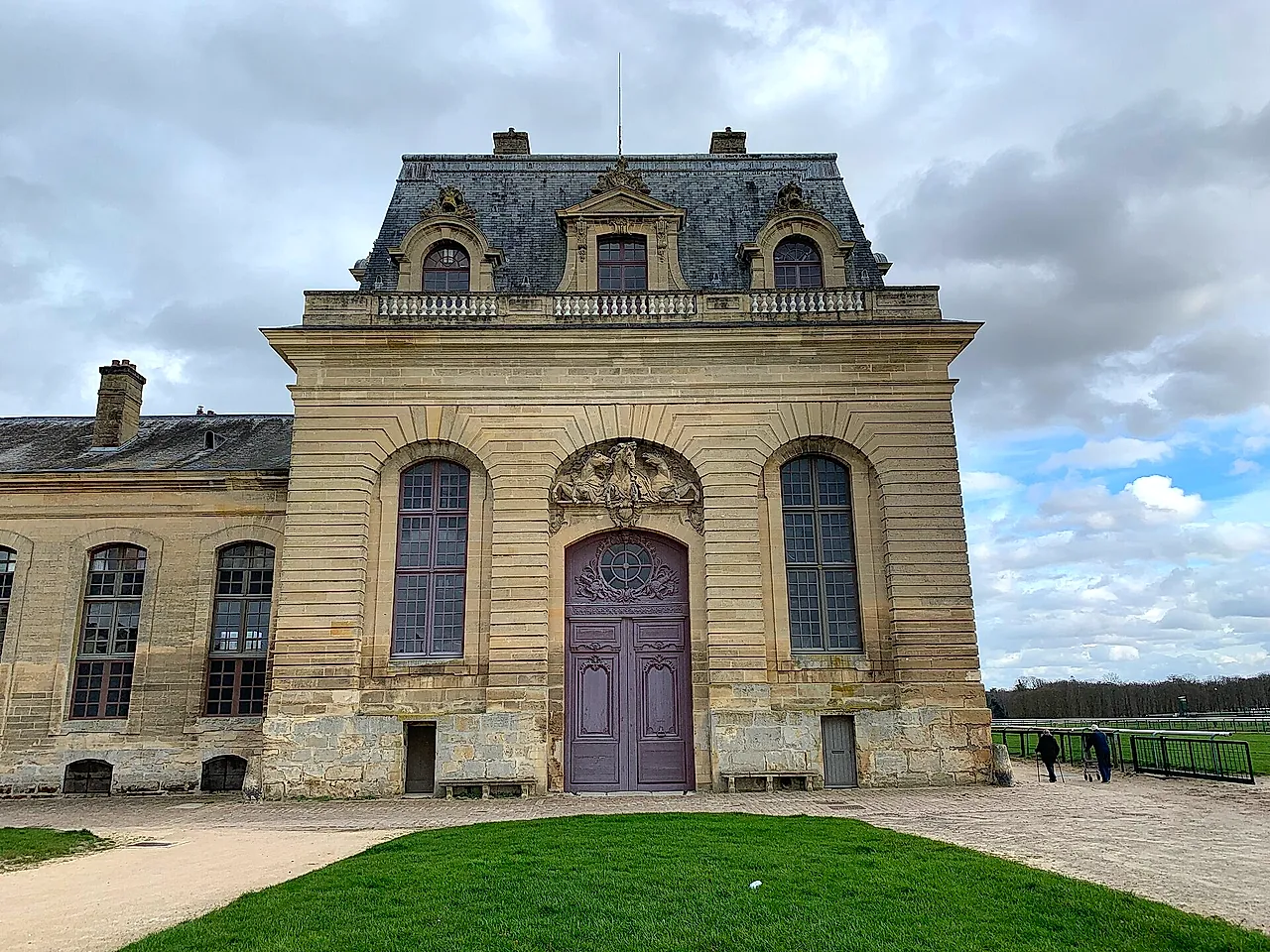
The Great Stables were commissioned in 1719 by Louis-Henri, Prince of Condé, from the architect Jean Aubert, and they now house the Living Horse Museum, and under the dome there are equestrian shows. Tradition says that the prince believed he would be reborn as a horse.
The shows are not included in the castle tickets on this page, and photos and videos are not allowed under the dome during performances.
The gardens: French, English and Anglo-Chinese
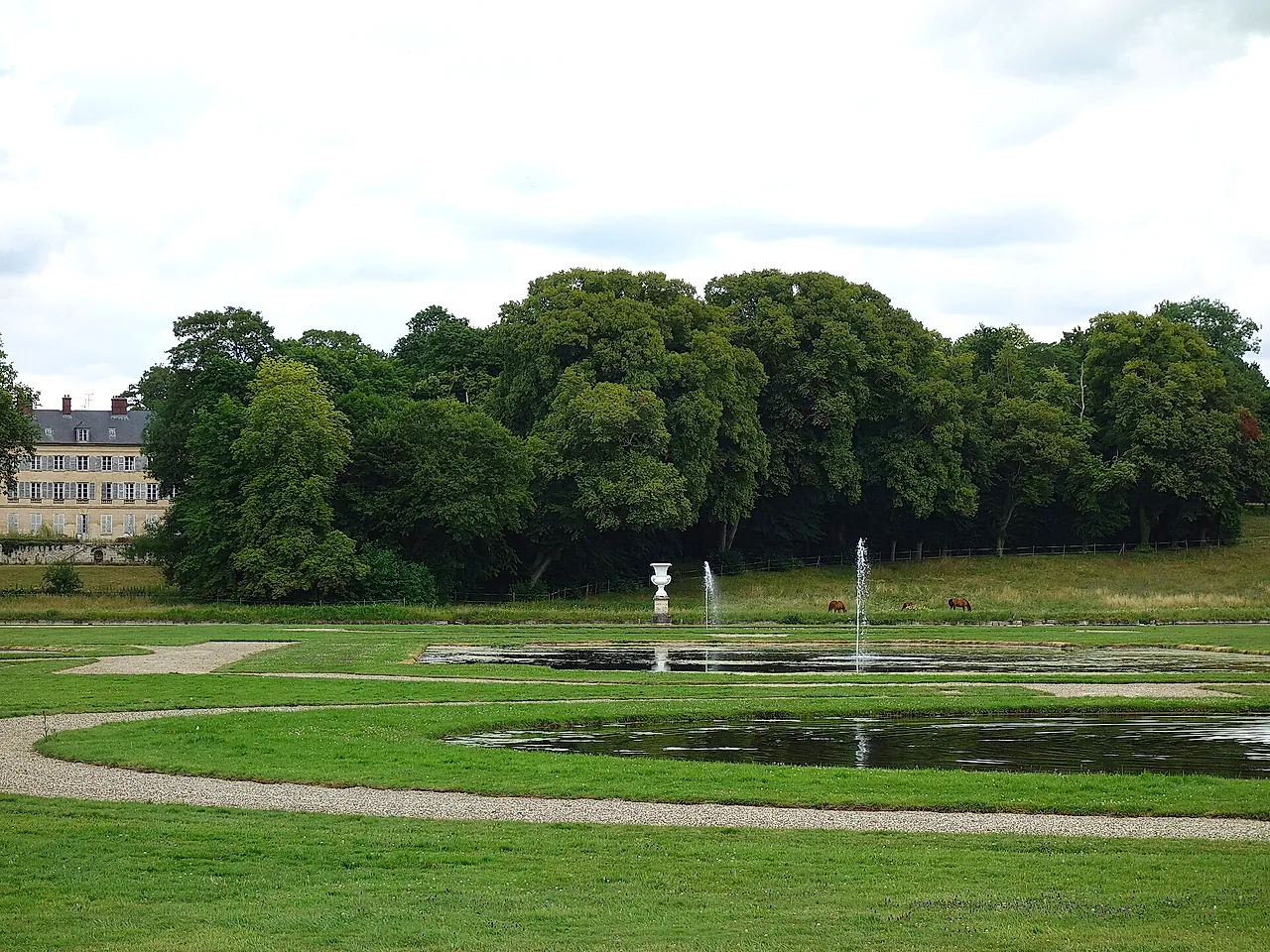
The French garden was designed by André Le Nôtre for the Great Condé, with a Grand Canal and statues. The English garden has a Temple of Venus and a waterfall, and the Anglo-Chinese garden leads to the Hameau, a little rustic village that inspired the one built by Marie Antoinette at Versailles. There are picnic tables in the English garden, near the playground and the Hameau.
Whipped cream and Vatel: the truth
Many people think Chantilly cream was invented here by Vatel. The castle says otherwise: Vatel was the steward, not the cook, and whipped cream had been known in Europe since the 16th century. The first mention of the cream at Chantilly dates from 1784. Vatel died here in 1671, during a visit of Louis XIV.
Visitor guide
Paris Tickets: What to Book and How to Choose
How to choose tickets for Versailles, the Eiffel Tower, Orsay, Sainte-Chapelle, the Arc de Triomphe, Seine cruises and day trips from Paris.
Paris in 3 Days: An Itinerary That Really Works
A three-day Paris itinerary built around closing days: Sainte-Chapelle, the Louvre, a Seine cruise, Orsay, the Eiffel Tower and the Arc de Triomphe.
Day Trips from Paris: Versailles, Fontainebleau, Chantilly
Day trips from Paris compared: Versailles, Fontainebleau, Chantilly, Vaux-le-Vicomte and Disneyland, with train times, closing days and tickets.

Getting Around Paris: Airports, Metro and RER
How to get from Charles de Gaulle and Orly to central Paris, which RER goes to Versailles and Disneyland, and how to use the metro for the main sights.
Louvre Visit Guide: Hours, Highlights and Tours
Plan your Louvre visit: opening days and late evenings, what not to miss, what you can bring in, and which guided tour suits your time.